
Understanding the Healing Timeline
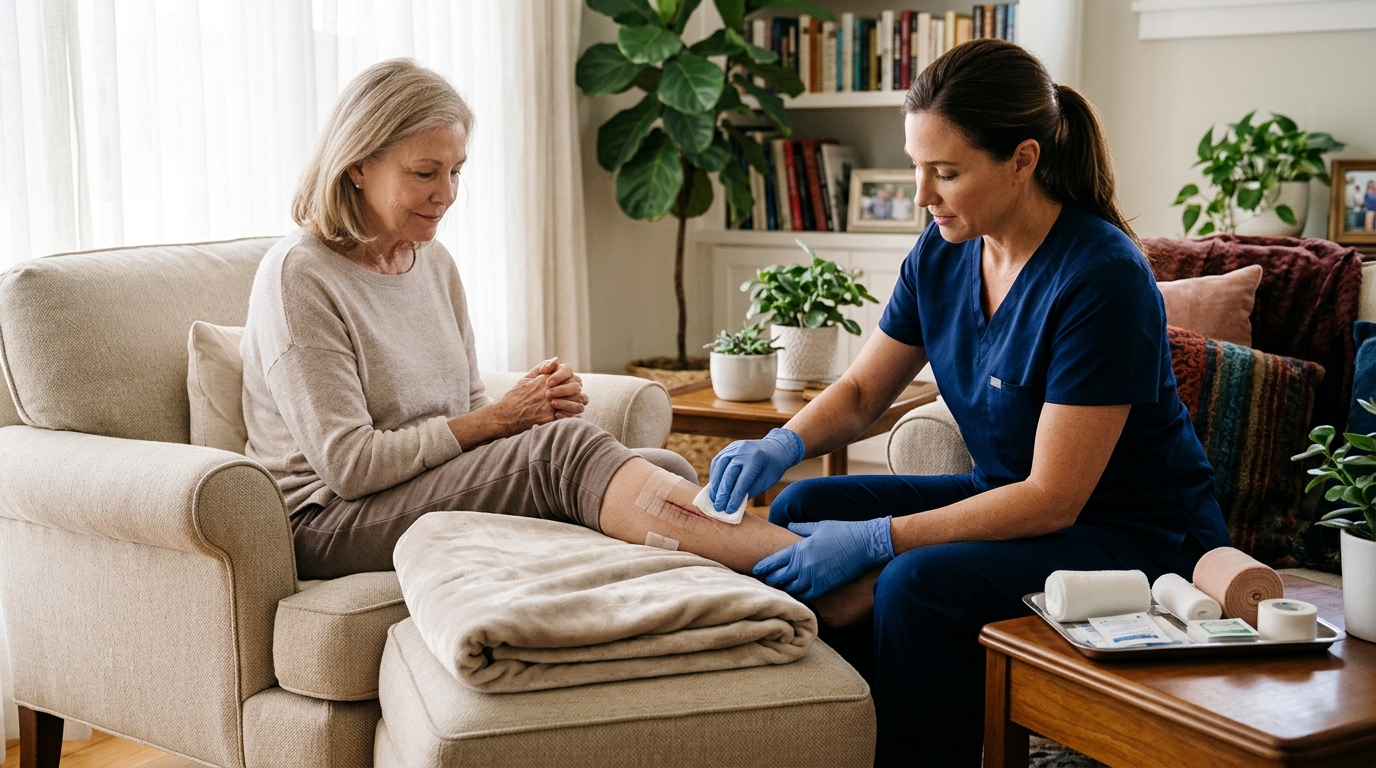
Wound healing is a biological process that occurs in distinct phases, starting with hemostasis and moving through inflammation, proliferation, and remodeling. After orthopedic surgery, the initial inflammatory phase typically lasts three to five days, during which mild redness and swelling are normal. Patients must distinguish between expected healing signs and early indicators of infection, such as increasing warmth or spreading erythema. For additional details, review the centurycityconcierge com.
Phases of Tissue Repair
The proliferation phase involves the formation of new blood vessels and collagen, which strengthens the incision site. This stage is crucial for preventing dehiscence, or the reopening of the wound. Understanding these phases helps patients set realistic expectations for when they can resume physical activity. For additional details, review the .
Essential Daily Cleaning Protocols
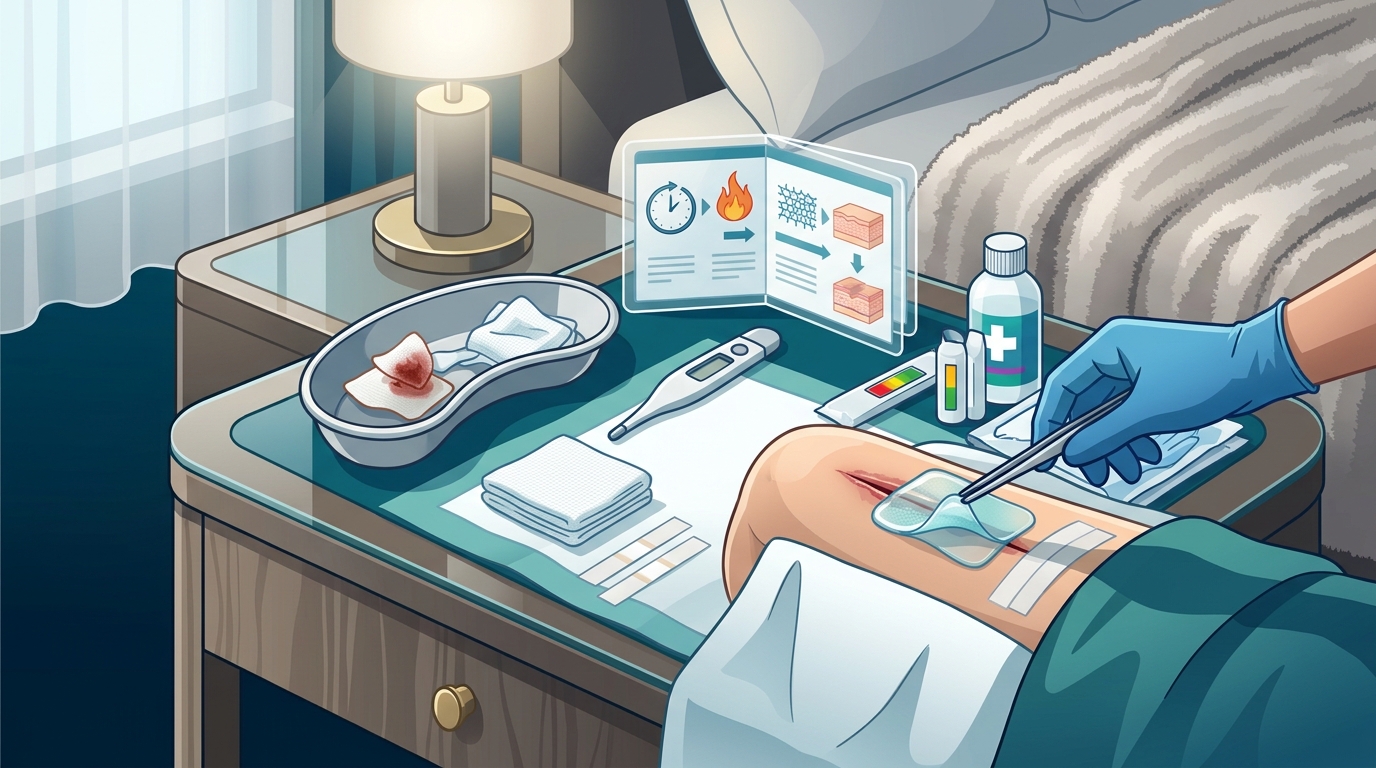
Proper wound cleaning is the removal of debris, exudate, and bacteria from the incision site using sterile techniques. Most orthopedic surgeons recommend keeping the initial dressing dry and intact for the first 24 to 48 hours unless otherwise directed. After this period, gentle cleansing with saline or mild soap and water is standard practice to maintain a clean environment for tissue regeneration. For additional details, review the Customer Experience.
Techniques for Safe Cleansing
When cleaning the wound, use a gentle patting motion rather than rubbing to avoid damaging fragile new tissue. Ensure that hands are washed thoroughly with soap and water for at least 20 seconds before touching the dressing or the skin around the incision. This simple hygiene step significantly reduces the risk of introducing external pathogens. For additional details, review the Frequently Asked Questions.
Managing Pain and Swelling
Pain management is the use of pharmacological and non-pharmacological methods to control discomfort and facilitate movement. Orthopedic patients often experience significant swelling in the first week, which can be managed with elevation and ice therapy. Combining these methods with prescribed analgesics helps patients maintain the mobility necessary for proper circulation and healing. For additional details, review the About.
Non-Pharmacological Strategies
Elevating the affected limb above heart level reduces hydrostatic pressure and minimizes edema. Ice packs, wrapped in a thin towel, can be applied for 15 to 20 minutes at a time to constrict blood vessels and reduce inflammation. These strategies are often more effective when used consistently throughout the day rather than sporadically.
Identifying Signs of Infection
Surgical site infection is a complication characterized by the invasion of bacteria into the wound, leading to inflammation and potential tissue damage. While some redness is normal, patients must monitor for specific warning signs such as purulent drainage, fever, or increasing pain. Early detection allows for prompt medical intervention, preventing the infection from spreading to deeper structures like bone or joint.
When to Seek Immediate Help
Contact your healthcare provider immediately if you notice a foul odor, bright red streaking from the wound, or a temperature above 101 degrees Fahrenheit. These symptoms indicate that the body is fighting a significant bacterial load. Delaying treatment can lead to more complex procedures, such as debridement or intravenous antibiotics.
Role of Professional Nursing Support
Private duty nursing is the provision of skilled clinical care in the home by licensed professionals. For complex orthopedic cases, having a Registered Nurse (RN) or Licensed Vocational Nurse (LVN) monitor the wound ensures that healing is progressing correctly. These professionals can assess dressing integrity, check vital signs, and educate family members on proper care techniques.
Benefits of In-Home Clinical Care
Professional caregivers provide continuity of care that bridges the gap between hospital discharge and full recovery. They can identify subtle changes in wound appearance that family members might miss. This level of oversight provides peace of mind and ensures that any deviations from the expected healing trajectory are addressed promptly.
Key Takeaways
- Wound healing is a phased process that requires consistent monitoring and proper hygiene.
- Keep initial dressings dry for the first 48 hours unless your surgeon advises otherwise.
- Elevation and ice are effective non-pharmacological methods for managing postoperative swelling.
- Watch for signs of infection such as fever, purulent drainage, or increasing redness.
- Follow all specific instructions provided by your orthopedic surgeon regarding weight-bearing and activity.
Frequently Asked Questions
How often should I change my postoperative dressing?
Dressing changes are typically performed once or twice daily, depending on the amount of drainage and the surgeon's specific orders. Always follow the instructions provided by your medical team to ensure the wound remains protected and clean.
Can I shower after orthopedic surgery?
Most patients can shower after 48 hours if the incision is closed and the dressing is waterproof or removed. You should avoid soaking the wound in a bathtub or pool until your surgeon gives explicit clearance.
What is the best way to clean a surgical incision?
The best method is to gently cleanse the area with mild soap and water or sterile saline. Avoid using hydrogen peroxide or alcohol, as these can damage new tissue and delay healing.
When should I call a nurse about my wound?
You should call a nurse if you notice increased redness, warmth, swelling, or drainage that changes in color or odor. These are potential signs of infection that require professional assessment.
Does having a private nurse help with wound care?
Conclusion
Successful recovery from orthopedic surgery depends on diligent postoperative wound care and vigilant monitoring. By understanding the healing phases and maintaining strict hygiene, you can minimize the risk of complications. Century City Concierge Nursing is dedicated to supporting your journey with expert, compassionate care in the comfort of your home. today to discuss how our vetted nursing team can assist with your postoperative recovery. Learn more: centurycityconcierge com.