

Medication errors at home are a leading cause of preventable hospital readmissions, particularly among seniors and postoperative patients. Century City Concierge Nursing addresses this critical gap by providing specialized, in-home medication management. Our private nurses bring clinical expertise directly to your living room, ensuring that every dose is administered correctly, on time, and with full safety protocols. This approach transforms complex medical regimens into manageable, secure routines for you and your family. For additional details, review the centurycityconcierge com.
1. Comprehensive Medication Reconciliation
Accurate inventorying prevents dangerous drug interactions and duplicates. Before beginning care, a private nurse conducts a thorough review of all current prescriptions, over-the-counter drugs, and supplements. This process, known as medication reconciliation, identifies potential conflicts that primary care physicians might miss due to fragmented records. By creating a unified, up-to-date medication profile, the nurse establishes a baseline for safe administration. For additional details, review the About.
2. Precision Dosing and Administration
Correct dosage timing and method reduce the risk of adverse events. Private nurses are trained to administer medications via various routes, including oral, intravenous, subcutaneous, and topical. They ensure that doses are given at precise intervals, accounting for food requirements and specific administration techniques. This precision is vital for medications with narrow therapeutic indices, where small errors can lead to significant health consequences.
3. Continuous Monitoring for Side Effects
Early detection of adverse reactions allows for timely medical intervention. Unlike family members who may not recognize subtle signs of toxicity or allergic reactions, private nurses monitor patients for specific side effects associated with their medication profiles. They track vital signs and behavioral changes, reporting any anomalies to the prescribing physician immediately. This proactive monitoring helps adjust treatment plans before minor issues escalate into emergencies.
4. Secure Storage and Disposal Protocols
Proper storage maintains drug efficacy and prevents accidental ingestion. Private nurses implement strict protocols for storing controlled substances and temperature-sensitive medications. They ensure that medications are kept in secure, labeled containers away from children and pets. Additionally, they guide families on the correct disposal methods for expired or unused medications, preventing environmental contamination and misuse.
5. Patient and Family Education
Empowering caregivers with knowledge ensures continuity of care. A key component of private nursing is educating the patient and their family on the purpose, dosage, and potential side effects of each medication. This education fosters a collaborative care environment where family members can assist with non-clinical aspects of medication management. It also helps patients understand the importance of adherence, reducing the likelihood of missed doses.
6. Coordination with Healthcare Providers
Seamless communication bridges the gap between home and clinic. Private nurses act as a liaison between the patient and their healthcare team, including primary care physicians, specialists, and pharmacists. They relay updates on medication efficacy and side effects, facilitating timely adjustments to the treatment plan. This coordination ensures that all providers have a consistent understanding of the patient's current regimen, reducing the risk of conflicting instructions.
7. Adherence Tracking and Documentation
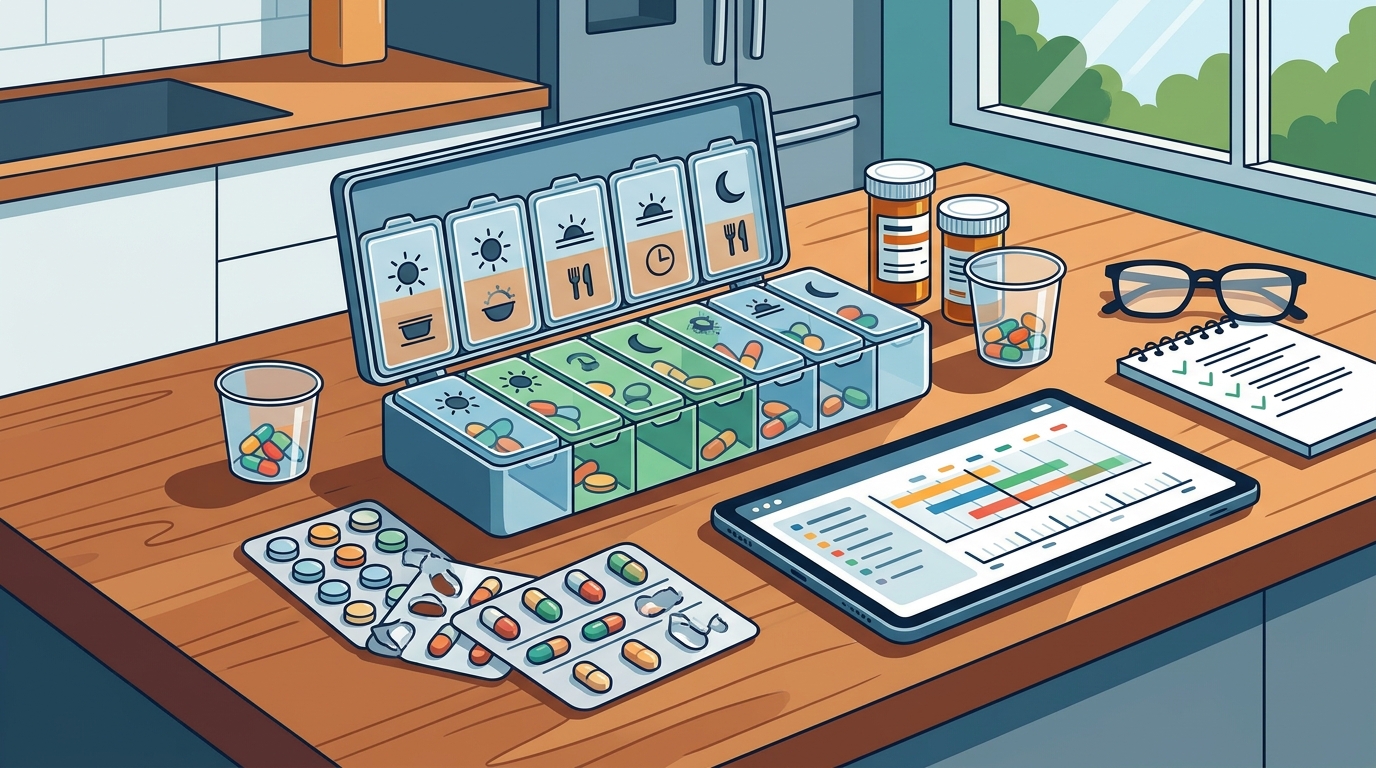
Detailed records provide a clear history for medical decision-making. Private nurses maintain meticulous logs of medication administration, including dates, times, doses, and patient responses. These records serve as a valuable resource for healthcare providers during follow-up appointments. They also help identify patterns of non-adherence, allowing the nurse to implement strategies to improve compliance, such as pill organizers or reminder systems.
Choosing the Right Medication Management Approach
Frequently Asked Questions
What is medication reconciliation in the context of private nursing?
Medication reconciliation is the process of creating an accurate list of all medications a patient is taking, including doses, frequencies, and indications, to prevent errors and interactions.
Can private nurses prescribe new medications?
No, private nurses cannot prescribe new medications. They administer prescribed medications and report any issues to the prescribing physician, who makes decisions about changes to the treatment plan.
How do private nurses handle controlled substances at home?
Private nurses follow strict protocols for storing and documenting controlled substances, ensuring they are kept secure and accounted for to prevent misuse or diversion.
Is private nursing for medication management covered by insurance?
Coverage varies by insurance plan. Some plans may cover private duty nursing for specific conditions, while others may not. It is advisable to check with your insurance provider for details.
How quickly can a private nurse be assigned for medication management?
At Century City Concierge Nursing, we strive to match clients with qualified nurses promptly, often within 24 to 48 hours, depending on the specific care needs and availability. Learn more: centurycityconcierge com.